Call: 08045812122
 Send Inquiry
 Send Inquiry
Hot Dip Galvanize Service
Hot Dip Galvanize Service Specification
- Application
- Industrial
- Environment Suitability
- Outdoor, Coastal, Industrial
- Coating Standard
- IS 2629, IS 4759, ASTM A123
- Type
- Hot Dip Galvanize Service
- Metal Type Suitable
- Steel and Iron Structures
- Max Component Size
- As Per Request
- Service Duration
- 2-5 Days
- Service Location
- All Over India
- Coating Thickness
- 40-85 Micron
- Service Mode
- Offline
- Coating Material
- Zinc
- Location Type
- On-Site
- Surface Finish
- Smooth and Uniform
- Corrosion Resistance
- High
Hot Dip Galvanize Service Trade Information
- Payment Terms
- Cash in Advance (CID)
- Main Domestic Market
- All India
About Hot Dip Galvanize Service
Hot Dip Galvanize Service is a process of coating iron or steel with a layer of zinc to protect against rust and corrosion. The process involves cleaning the surface of the metal, applying flux to remove any oxides, and then immersing the metal into a bath of molten zinc. The zinc reacts with the metal to form a protective layer on the surface. It is a popular method of protecting metal components in a wide range of industries, including construction, agriculture, and manufacturing. It provides a long-lasting and cost-effective solution for protecting metal components from the effects of weather and exposure to the elements. The Hot Dip Galvanize Service also creates a strong, durable bond between the zinc and the metal, which helps to prevent corrosion and rusting over time.
Comprehensive Corrosion Protection
Our hot dip galvanizing process delivers robust corrosion resistance for steel and iron structures using a precision-applied zinc coating. Designed to enhance structural longevity, the coating thickness (40-85 microns) meets global and Indian standards, safeguarding assets even in challenging industrial and coastal conditions.
Efficient On-Site Application Across India
The galvanizing service is available at your location anywhere in India, minimizing logistical hassles and downtime. With a typical completion window of 2-5 days, this service is ideal for urgent projects and large-scale applications requiring rapid turnaround without compromising on quality or performance.
Versatile for Industrial Applications
From manufacturing plants to coastal installations, our galvanizing service accommodates diverse industrial needs. The process is suitable for any steel or iron structure, with customizable component sizing as per client requirements, making it adaptable for a variety of project specifications.
FAQ's of Hot Dip Galvanize Service:
Q: How does the hot dip galvanizing process work for steel and iron structures?
A: The process involves immersing cleaned steel or iron components into molten zinc, which creates a robust, metallurgically bonded layer. This zinc coating, ranging from 40-85 microns in thickness, provides comprehensive corrosion resistance by forming a barrier that shields the metal from environmental exposure.Q: What types of components can be galvanized and what size limitations exist?
A: We can galvanize a wide range of steel and iron elements-including beams, pipes, and fabricated structures. The maximum component size is determined according to client requirements, allowing for versatile use across varying project scales and industrial applications.Q: When is hot dip galvanizing the best solution for my project?
A: Hot dip galvanizing is ideal when your project demands long-term durability against harsh environments, such as outdoor, coastal, or industrial sites. The service provides heightened corrosion resistance, reducing maintenance needs and extending the service life of structural assets.Q: Where is the hot dip galvanizing service available?
A: Our service is offered across all regions of India, delivered on-site to your location. This flexibility eliminates the need for transporting heavy structures, saving you time and reducing operational disruption.Q: What standards do your galvanizing services follow?
A: The process strictly adheres to IS 2629, IS 4759, and ASTM A123 standards, ensuring that every coated component meets recognized benchmarks for quality, thickness, and corrosion protection.Q: How long does the galvanizing process take from start to finish?
A: Typical service duration ranges from 2 to 5 days, depending on the project scope and component volume. This quick turnaround allows you to maintain momentum on time-sensitive projects.Q: What are the key benefits of using your hot dip galvanizing service?
A: Key benefits include high corrosion resistance, a uniform and smooth surface finish, adherence to international and Indian coating standards, and the convenience of on-site service. This adds value by increasing asset longevity, ensuring reliable protection in the most demanding environments.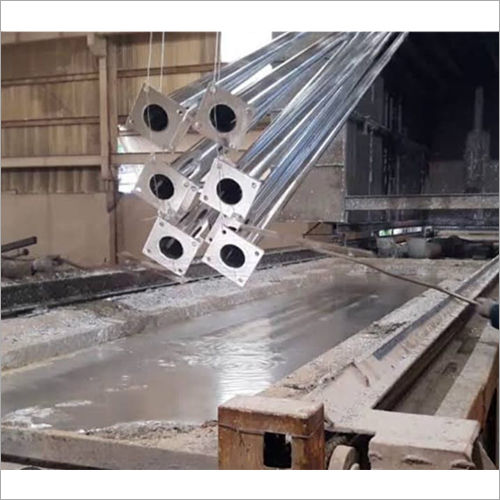
Tell us about your requirement

Price:
Quantity
Select Unit
- 50
- 100
- 200
- 250
- 500
- 1000+
Additional detail
Mobile number
Email

More Products in Solar System Installation Service Category

Contact Details
Modern Industries
GST : 23BDLPS6110A1Z0
- B-289, New Loha Mandi, Scheme No. 78, Part 1 Niranjan Pur, Dewas Naka,Indore - 452010, Madhya Pradesh, India
- Phone :08045812122
 Send Inquiry
Developed and Managed by Infocom Network Private Limited.
